The Secrets of Butter: Temperature, Texture, and Flavor in Perfect Balance

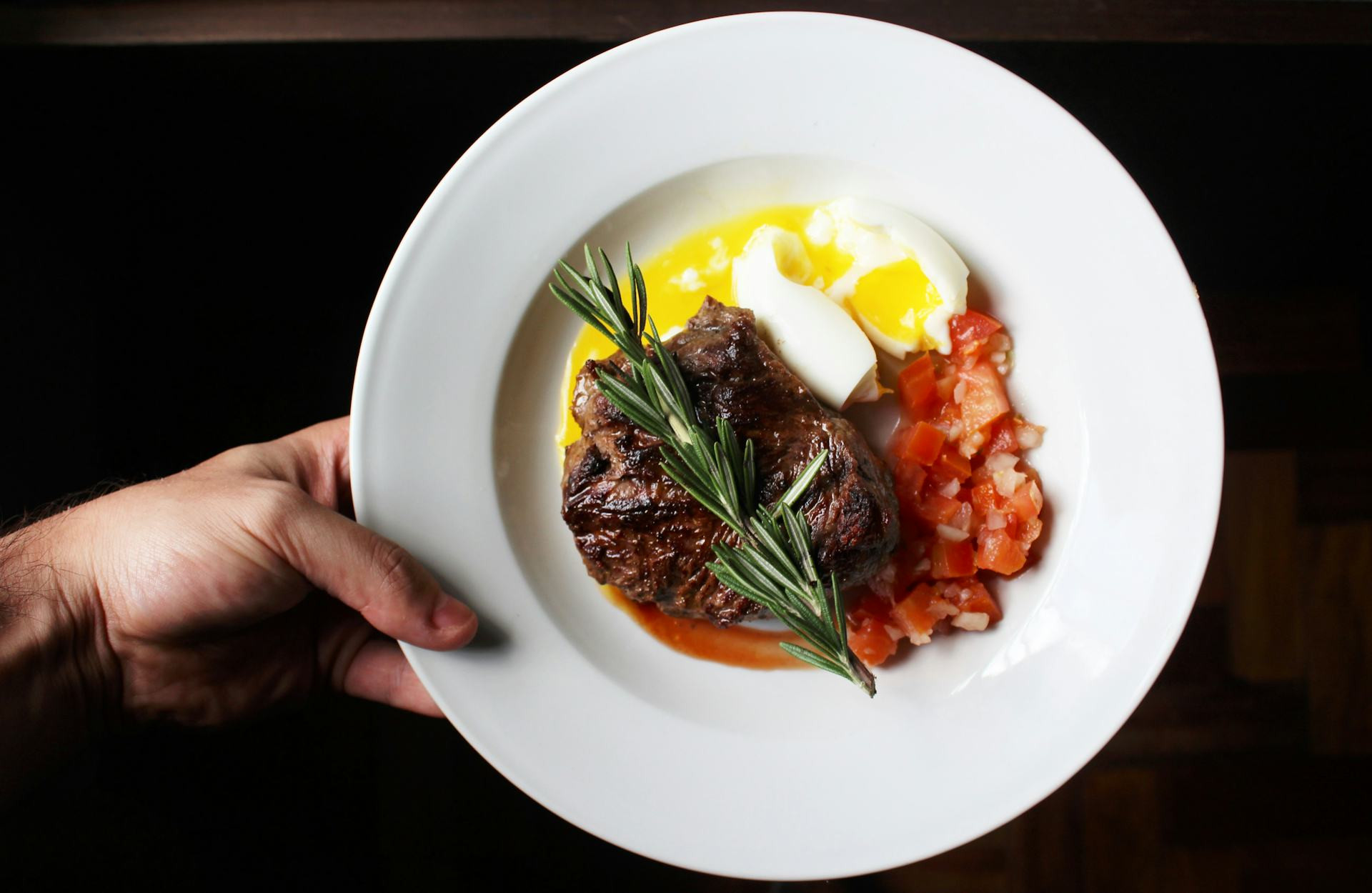
The Secrets of Butter: Temperature, Texture, and Flavor in Perfect Balance
Butter is one of the most essential ingredients in the kitchen—and one of the most underestimated. It seems simple: a fat that melts in a pan or spreads on toast. But behind that golden hue lies a delicate balance of temperature, texture, and flavor that can make the difference between an average dish and an unforgettable one. Let’s uncover the secrets of butter and learn how to get the best out of every pat.
From Fridge to Counter – Why Temperature Matters
Butter changes dramatically with temperature. Straight from the fridge, it’s firm and resistant; at room temperature, it becomes soft, creamy, and easy to spread. That transformation isn’t magic—it’s chemistry. Butter is roughly 80% fat, 18% water, and 2% milk solids, and each component reacts differently to heat.
- Cold butter (40–45°F) is ideal for baking when you want flakiness and structure, as in pie crusts or biscuits. The cold fat creates steam pockets as it melts, giving those tender, layered textures.
- Room-temperature butter (65–70°F) is perfect for spreading, creaming, and making frostings. It’s soft enough to whip air into but still stable enough to hold its shape.
- Melted butter (above 95°F) adds richness and a nutty aroma to dishes—especially when browned into beurre noisette, where the milk solids caramelize and release deep, toasty notes.
Understanding butter’s temperature isn’t just about convenience—it’s about control. The right temperature lets you shape texture and flavor with precision.
Læs også:

Texture – From Solid to Silky Smooth
Butter’s texture depends not only on temperature but also on how it’s made. Traditionally churned butter tends to have a denser structure and more complex flavor than mass-produced varieties, where the fat crystals are more uniform.
When working with butter, think of it as a living ingredient that responds to touch and timing:
- For baking: Cut cold butter into small cubes and work it quickly into flour. The less you handle it, the flakier your dough will be.
- For creaming: Use softened butter so it can trap air when beaten with sugar—this gives cakes their light, tender crumb.
- For sautéing: Choose clarified butter (or ghee), where the milk solids have been removed. It can handle higher heat without burning.
A good rule of thumb: butter should yield slightly when pressed but not collapse. That’s the sweet spot for most kitchen tasks.
Flavor – The Miracle of Milk and Time
Butter’s flavor is shaped by the quality of the cream, the cows’ diet, and the churning process. In the U.S., most butter is sweet cream butter—mild and creamy. But cultured butter, made from cream that’s been fermented with lactic bacteria, offers a tangy, complex flavor that pairs beautifully with bread, vegetables, and seafood.
When butter is browned, a chemical reaction called the Maillard reaction occurs, caramelizing the milk solids and releasing aromas reminiscent of hazelnuts and caramel. A drizzle of browned butter over roasted vegetables, pasta, or fish can transform a simple dish into something extraordinary.
Storage and Shelf Life – Keeping Butter at Its Best
Butter is sensitive to light, air, and heat. Store it in an airtight container in the refrigerator, where it will keep for several weeks. If you use butter daily, you can keep a small amount at room temperature for a few days—just make sure it’s covered and away from direct sunlight.
To extend its life, butter can be frozen for up to six months without losing quality. Freeze it in small portions so you can thaw only what you need.
A handy trick: mix butter with a bit of neutral oil to create a spreadable blend that stays soft even when chilled.
Butter as a Flavor Enhancer – The Finishing Touch
Butter isn’t just a fat—it’s a flavor carrier. It binds aromas, softens acidity, and gives dishes a sense of fullness. In French cooking, butter is often used to finish sauces—a technique known as monter au beurre—where small cubes of cold butter are whisked in just before serving. The result is a glossy, velvety sauce with depth and balance.
In American kitchens, butter has also made a comeback in its purest form: melted over corn on the cob, whipped with herbs for steaks, or spread thickly on warm biscuits. Quality butter, used thoughtfully, can elevate even the simplest meal.
The Balance of Butter – Mastering the Art
Mastering butter means understanding its nature. It’s both science and craft, tradition and intuition. When you learn to control its temperature, sense its texture, and highlight its flavor, you unlock a world of culinary possibilities.
Butter isn’t just something you use—it’s something you work with. And once you experience how the right butter, at the right moment, can transform a dish, you’ll understand why it remains the heart of so many kitchens across America and beyond.
Læs også: