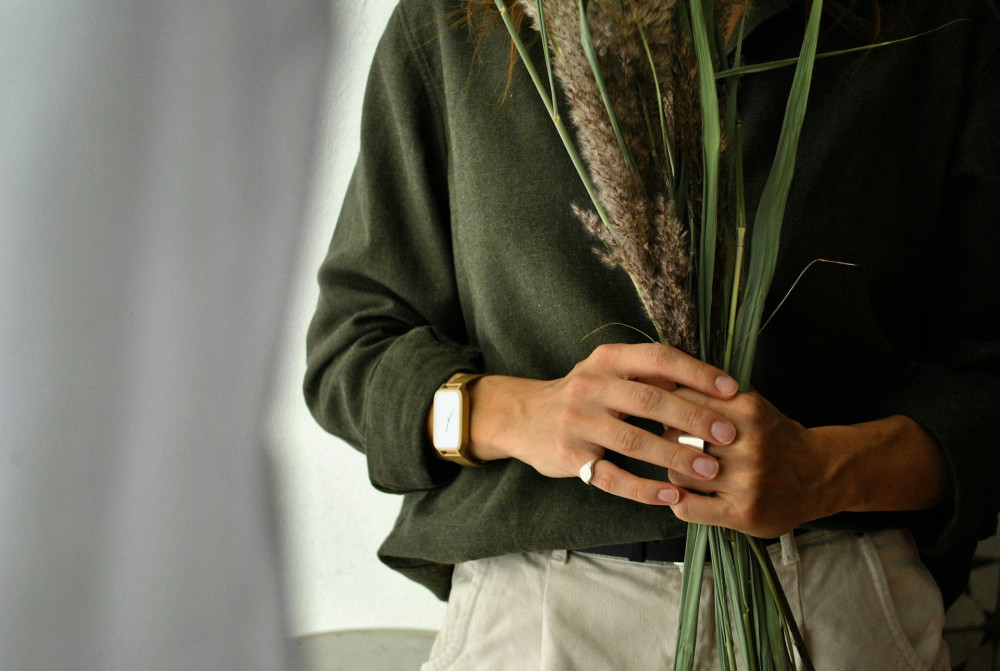
Sustainable Fashion as a Personal Expression of Your Values and Style


Sustainable Fashion as a Personal Expression of Your Values and Style
Fashion today is about more than just following trends—it’s about expressing who you are and what you stand for. Sustainable fashion allows you to combine style with conscience, creating a wardrobe that reflects both your values and your personal aesthetic. But how do you make that happen in practice? Here’s how you can use sustainable fashion as a genuine expression of yourself.
From Consumption to Consciousness
For decades, the fashion industry has been driven by fast production cycles and low-cost clothing that quickly loses its appeal. But more and more consumers in the U.S. are turning toward a mindful approach. Sustainable fashion isn’t only about fabrics and production methods—it’s also about changing our relationship with clothing.
When you choose garments made with respect for people and the planet, you send a message that you care. That might mean buying from brands that use organic materials, ensure fair labor conditions, or support local designers who produce small, transparent collections. Every purchase becomes a statement of responsibility.
Know Your Style – Buy Less, Choose Better
One of the most powerful steps toward a sustainable wardrobe is understanding your own style. When you know what you truly like, you avoid impulse buys and pieces that end up forgotten in the back of your closet.
Start by reviewing what you already own. Which colors, cuts, and fabrics make you feel confident? Which items do you reach for again and again? This reflection helps you identify what works for you—and makes it easier to invest in quality rather than quantity.
A good rule of thumb is to choose versatile pieces that can be styled in multiple ways. A classic button-down shirt, a simple dress, or a well-fitted pair of jeans can serve you for years. It’s a choice that’s both economically and environmentally smart.
Thoughtful Materials
When you do buy something new, the materials matter. Organic cotton, linen, wool, and Tencel are examples of more sustainable options because they require fewer chemicals and less water to produce. Recycled materials—like polyester made from plastic waste—are another step in the right direction.
Check the labels and brand information before you buy. Many American and global fashion companies now share details about their supply chains and environmental impact. The more transparency, the easier it is for you to make informed, ethical choices.
Læs også:




Give Your Clothes a Longer Life
Sustainable fashion isn’t just about what you buy—it’s also about how you care for what you already have. With a little attention, you can extend the life of your clothes significantly.
- Repair instead of replacing. A missing button or small tear can easily be fixed.
- Wash less and in cold water. It saves energy and keeps fabrics looking new longer.
- Swap or resell. Clothes you no longer wear can find new life with someone else.
Across the U.S., clothing swaps, thrift stores, and online resale platforms like Poshmark or ThredUp make it easy to refresh your wardrobe without adding to waste.
Fashion as Values in Action
Choosing sustainable fashion shows that you think about how your decisions affect the world around you. It’s a quiet statement—but a powerful one. You’re proving that style and ethics can coexist beautifully.
Many people find that sustainable fashion brings a deeper sense of satisfaction than fast fashion ever could. It’s not about being perfect—it’s about taking small, meaningful steps in the right direction. Every decision counts, and together, they can create real change.
A Wardrobe with Purpose
Dressing sustainably isn’t just about the environment—it’s also about identity. When you wear clothes that reflect your values, your style becomes more authentic. You’re not just wearing fashion—you’re wearing your beliefs.
Sustainable fashion isn’t a limitation; it’s an opportunity to build a wardrobe that feels both personal and purposeful. It’s fashion with thought—and with heart.
Læs også: