Style and Situational Awareness: How to Dress Right for Any Occasion


Style and Situational Awareness: How to Dress Right for Any Occasion
Dressing well isn’t just about following trends—it’s about understanding context. The right outfit can boost your confidence, show respect for the occasion, and help you feel comfortable in your own skin. But how do you strike the balance between personal style and appropriateness? Here’s a guide to help you dress right, whether you’re heading to a wedding, a job interview, or a casual dinner with friends.
Know the Context—and Read the Dress Code
The first step to dressing appropriately is understanding the situation. Invitations that say “formal,” “business casual,” or “smart casual” can mean very different things. When in doubt, ask the host or organizer—it shows thoughtfulness and awareness.
- Formal usually means a suit and tie or an elegant dress.
- Business calls for polished but not overly stiff attire—think blazers, dress shirts, and tailored pants or skirts.
- Smart casual is relaxed yet refined—chinos, a nice blouse, or a button-down shirt.
- Casual allows more freedom, but still requires neat, clean, and well-fitting clothes.
Understanding the dress code isn’t about suppressing your personality—it’s about showing respect for the setting and the people around you.
Everyday Style: Comfort with Character
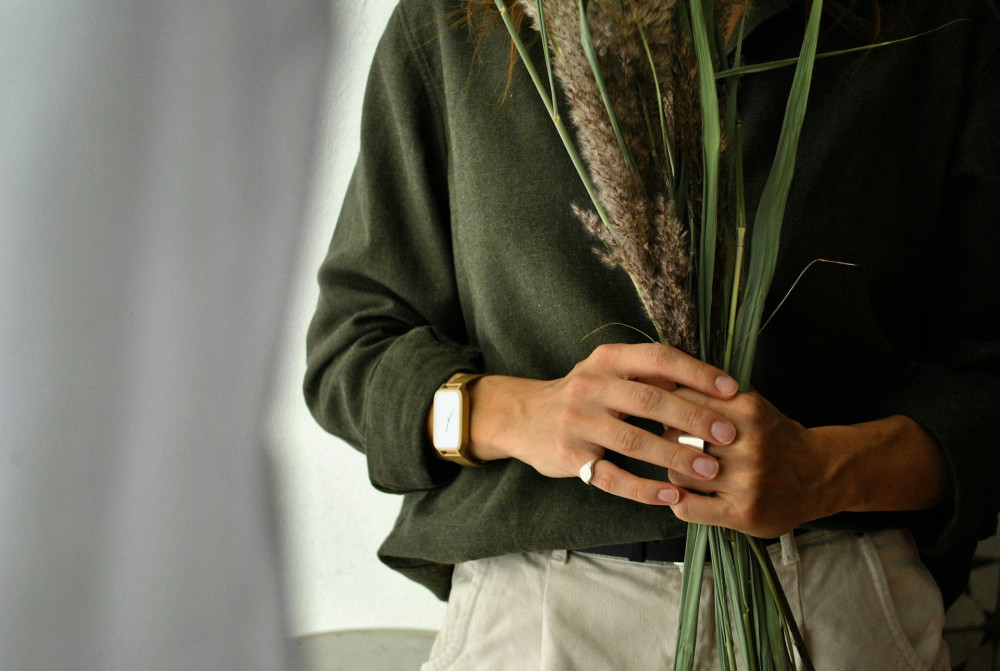
For daily wear, comfort is key—but that doesn’t mean sacrificing style. A good pair of jeans, a crisp shirt, or a simple sweater in neutral tones can easily be elevated with nice shoes or a watch.
Layering is your best friend. A blazer, cardigan, or denim jacket can take you from errands to an impromptu lunch meeting without missing a beat.
Small details—like a scarf, belt, or subtle jewelry—add personality without going overboard.
The Workplace: Professional and Polished
At work, your outfit communicates before you even speak. It’s not about being trendy, but about appearing competent and credible.
Many offices have relaxed their dress codes, but it’s still smart to dress a notch above what’s expected. It shows professionalism and respect for your role.
- Stick to neutral colors like navy, gray, black, or beige—they project calm and confidence.
- Make sure your clothes fit well—fit matters more than brand.
- Avoid overly flashy patterns or logos, unless you’re in a creative field where individuality is encouraged.
Keep a “go-to outfit” ready—something you know works for presentations, client meetings, or important days.
Celebrations and Formal Events: When It’s Time to Shine
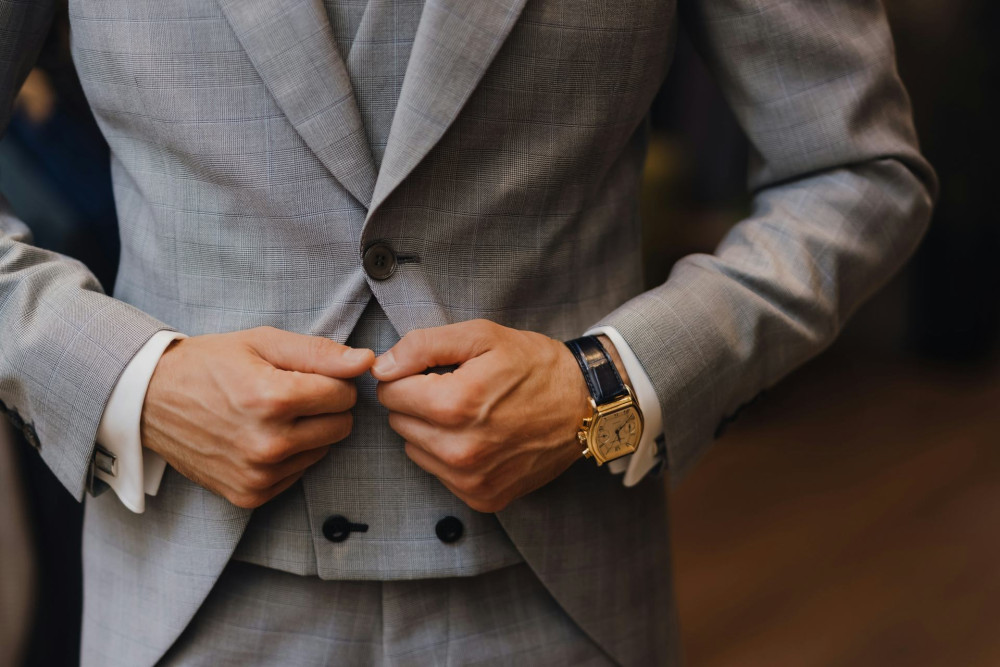
Weddings, galas, and other special occasions are your chance to turn up the elegance. The goal is to look polished without outshining the hosts.
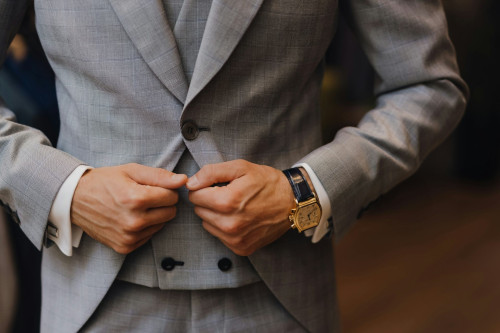
- For men, that often means a suit, tie, and dress shoes—or a tuxedo if the invitation calls for black tie.
- For women, a cocktail dress, jumpsuit, or elegant ensemble works beautifully, paired with accessories that complement the event.
Fabric and color make a big difference. Dark tones and matte materials feel more formal, while lighter colors and airy fabrics suit summer events and outdoor gatherings.
Most importantly, make sure you can move and feel comfortable—style should never come at the expense of ease.
Casual Gatherings: Effortless but Intentional
For dinners with friends, birthdays, or backyard get-togethers, aim for that sweet spot between relaxed and refined. You want to look like you made an effort, but not like you’re trying too hard.
Dark jeans, a nice shirt or blouse, and clean sneakers or loafers work in most settings. Avoid gym wear unless it’s a sports-related event—and remember, clean and well-pressed always beats expensive but sloppy.
Læs også:


Weather and Season: Practical Can Be Stylish
From humid summers to chilly winters, American weather can be unpredictable. Dressing smartly means being prepared without losing your sense of style.
In summer, choose breathable fabrics like cotton and linen. In winter, layer up with wool, coats, and scarves in deeper tones. A good raincoat or pair of boots can be both functional and fashionable.
Think of practicality and aesthetics as partners, not opposites.
Style Is About Respect—For Yourself and Others
Ultimately, dressing right is about respect: for the occasion, for the people you meet, and for yourself. When you feel comfortable and confident in what you’re wearing, you project ease and self-assurance—and that’s the best style statement you can make.
So next time you’re standing in front of your closet wondering what to wear, ask yourself: What message do I want to send? The answer will almost always point you in the right direction.
Læs også: