Emotions in Blackjack: How Excitement, Patience, and Risk-Taking Affect Your Decisions

Emotions in Blackjack: How Excitement, Patience, and Risk-Taking Affect Your Decisions
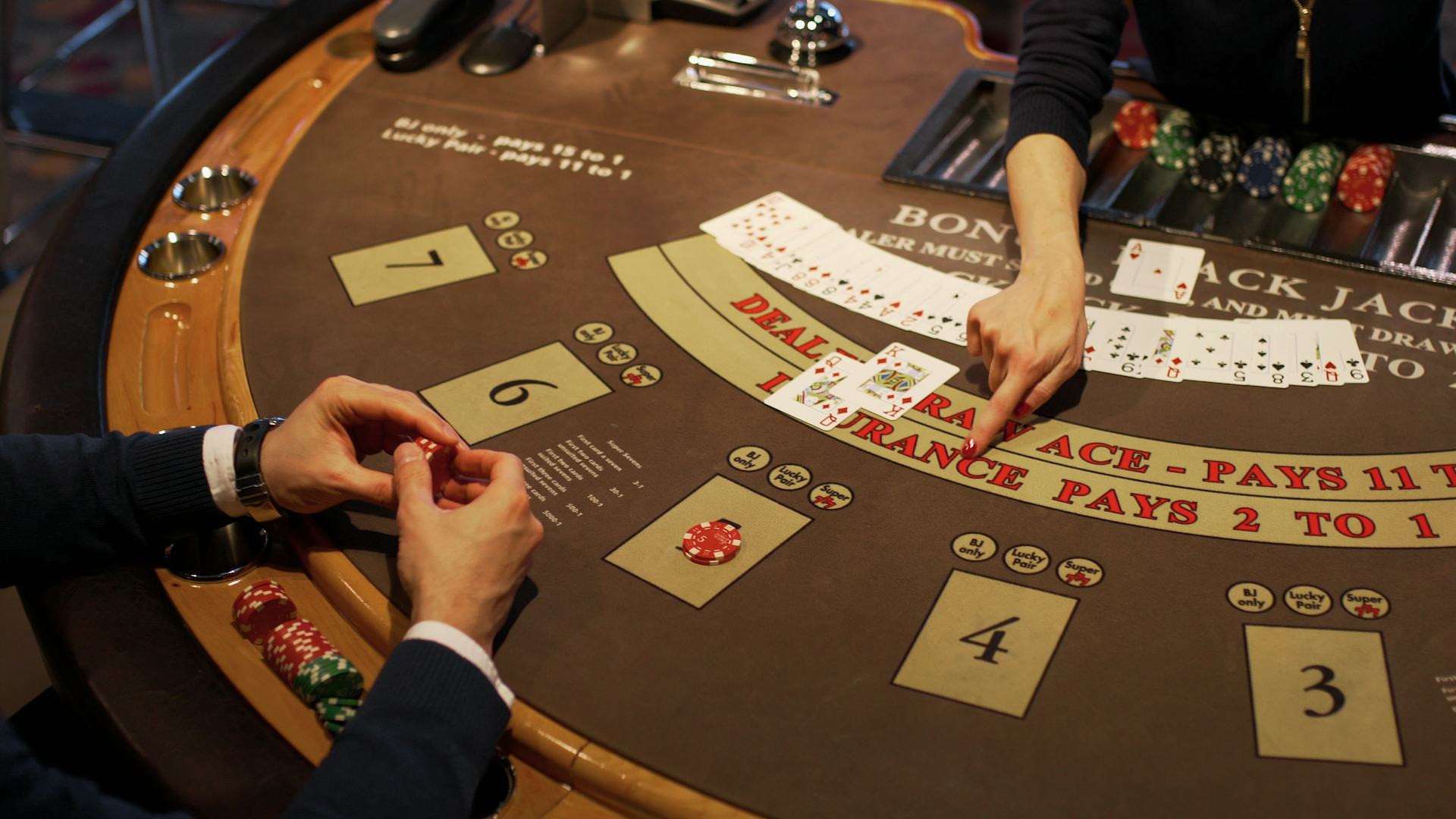
Blackjack is one of the most iconic casino games in the United States—found everywhere from Las Vegas resorts to online platforms. It’s a game of numbers, probability, and strategy, but what often separates consistent players from impulsive ones isn’t just math. It’s emotion. Excitement, patience, and risk-taking all play powerful roles in how you make decisions when the cards are on the table.
The Double-Edged Sword of Excitement
Excitement is part of what makes blackjack so appealing. Every hand carries a rush of anticipation—will the next card bring you closer to 21 or push you over the edge? That mix of control and uncertainty triggers dopamine in the brain, making the game both thrilling and addictive.
But excitement can also cloud judgment. When adrenaline kicks in, rational thinking tends to fade. Players may start betting more aggressively, ignoring their strategy, or chasing the high of a big win. That’s when excitement shifts from being a motivator to becoming a distraction.
The key is learning to recognize when excitement takes over. Take short breaks, breathe deeply, and remind yourself that blackjack rewards discipline more than impulse. The best players know how to enjoy the thrill without letting it dictate their moves.
Patience – The Underrated Strength
Patience might be the most undervalued skill in blackjack. The game rewards those who can wait for the right opportunities and stick to their plan, even when the cards don’t go their way.
Many players lose focus after a few bad hands and try to “win it back” by doubling their bets. In poker, this emotional reaction is called going on tilt—and it’s just as dangerous in blackjack. The odds don’t change because you’ve had a streak of bad luck. Chasing losses usually leads to even bigger ones.
Staying patient means accepting the natural ups and downs of the game. It’s about keeping a cool head, following your strategy, and knowing when to walk away. Professional players often say that the smartest move in blackjack isn’t winning a hand—it’s knowing when to leave the table.
Risk-Taking – Balancing Courage and Caution
Blackjack demands courage. You have to be willing to take chances—splitting pairs, doubling down, or standing firm when it feels risky. But risk-taking without calculation can quickly drain your bankroll.
The best kind of risk-taking is calculated. It means making bold moves when the odds are in your favor and holding back when they’re not. That balance requires both knowledge and emotional control. Many players overestimate their intuition and underestimate how much their emotions influence their perception of risk.
A practical tip: set clear limits before you play. Decide how much you’re willing to bet per hand and how much you can afford to lose overall. Having those boundaries in place helps you make rational decisions, even when the game gets intense.
When Emotions Take Over – and How to Regain Control
Even experienced players can get swept up in emotion. A few quick wins can create a sense of invincibility, while a tough loss can spark frustration. Both can lead to poor decisions.
One effective way to stay grounded is to create routines: play in timed sessions, take regular breaks, and keep a simple record of your play. It might sound tedious, but tracking your behavior helps you spot emotional patterns—like when you start betting bigger after a loss or playing faster after a win.
Ultimately, blackjack is about balance. You need to enjoy the excitement without letting it control you, take risks without losing reason, and stay patient even when luck turns against you.
Læs også:

Play with Awareness – Not Just with Cards
Blackjack sits at the intersection of psychology and probability. The better you understand your emotional responses, the better your decisions will be over time. Excitement, patience, and risk-taking aren’t just feelings—they’re tools you can learn to manage and use to your advantage.
So next time you sit down at the table, remember: it’s not only about hitting 21—it’s about knowing yourself while you play.
Læs også: