Civil Funeral: Formal Requirements and Necessary Permits

Civil Funeral: Formal Requirements and Necessary Permits
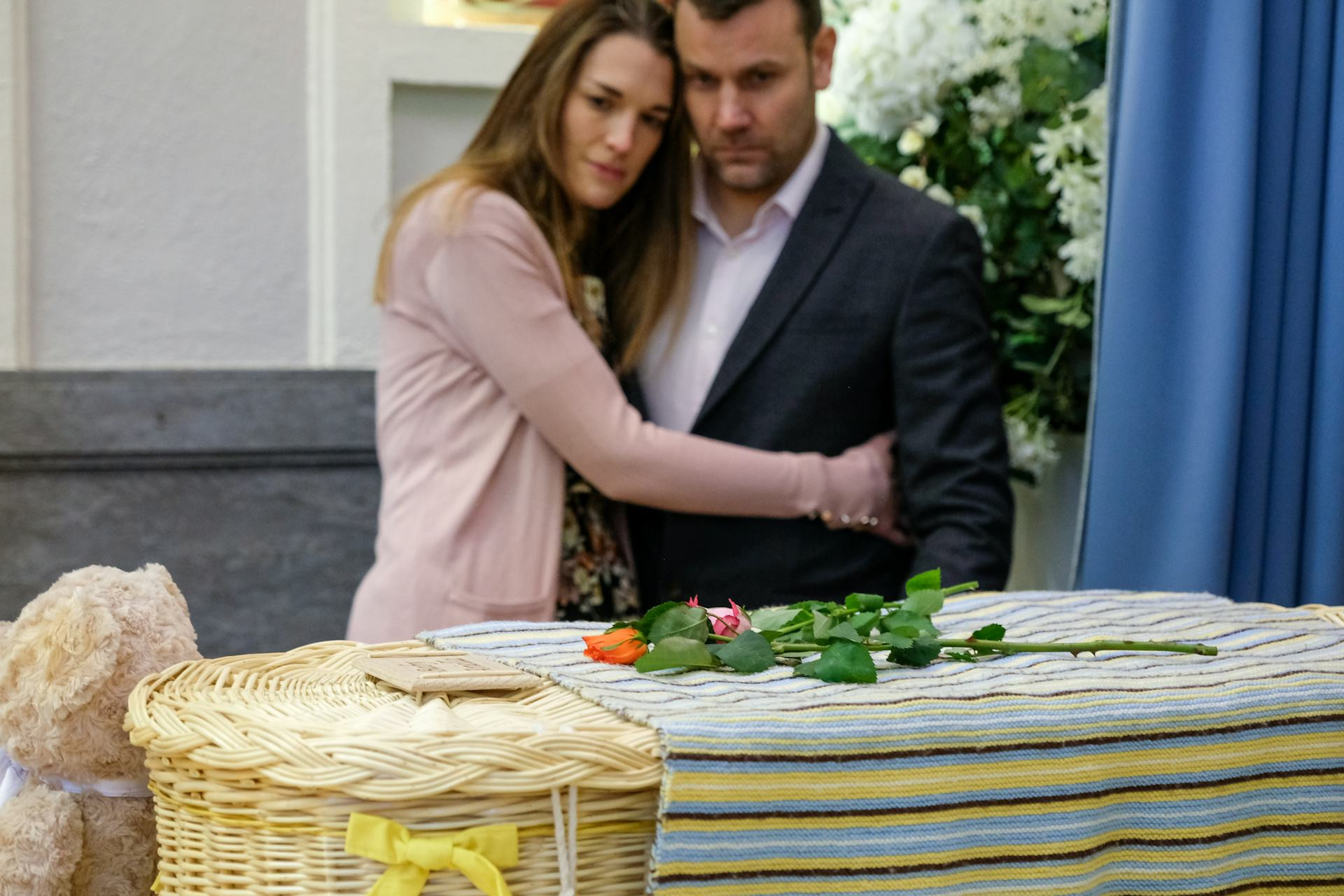
A civil funeral is a non-religious ceremony that allows family and friends to say goodbye in a personal and meaningful way, without the involvement of clergy or religious rituals. Many people choose this option because it reflects the beliefs and values of the deceased and their loved ones. However, even though the ceremony itself is flexible, there are still legal and administrative requirements that must be met. This article provides an overview of what to consider when planning a civil funeral in the United States.
What Is a Civil Funeral?
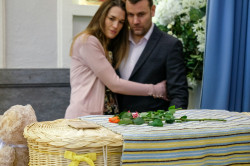
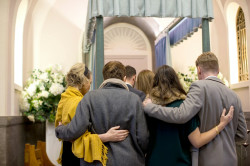
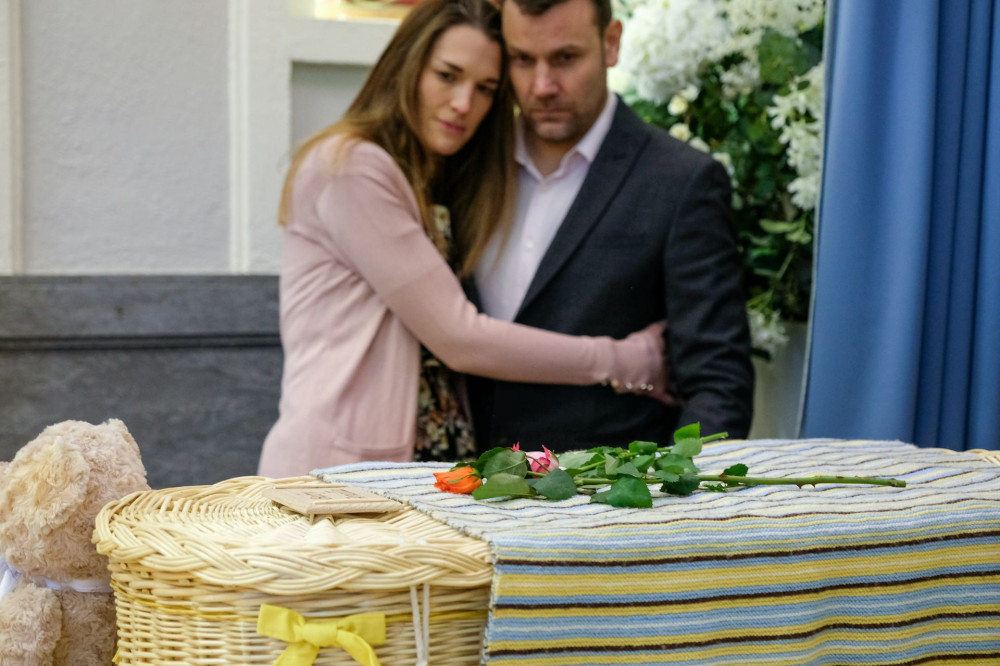
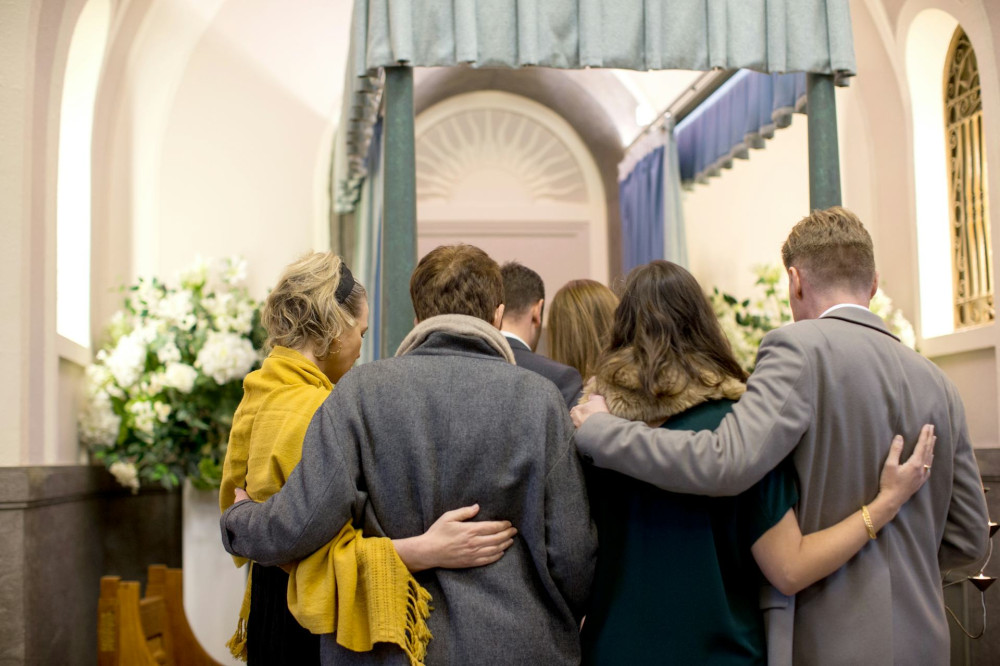
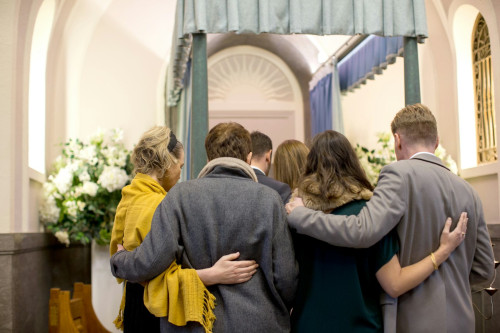
A civil funeral is a ceremony that focuses on honoring the life of the deceased without religious content. It can take place in a funeral home, a cemetery chapel, a community center, a private residence, or even outdoors—provided the location is appropriate and permitted by local regulations. The ceremony may include music, readings, personal tributes, or moments of silence. The goal is to create a farewell that reflects the personality, values, and wishes of the person who has passed away.
Reporting the Death and Choosing the Type of Disposition
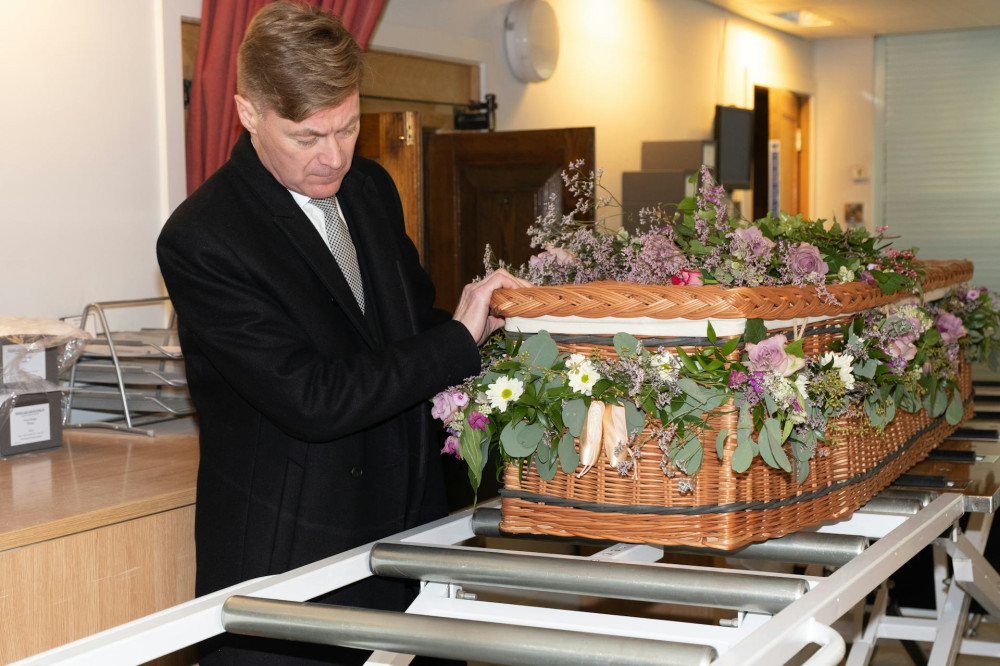
In the U.S., the first step after a death is to obtain a death certificate, usually issued by the attending physician or coroner and filed with the local vital records office. This document is required before any burial or cremation can take place. The next step is to decide on the method of disposition—burial, cremation, or another approved option. If the deceased left written instructions, those wishes should be followed. Otherwise, the next of kin makes the decision.
Even if the ceremony is non-religious, the burial can still take place in a public or private cemetery. Most cemeteries in the U.S. are open to people of all faiths or none, though some religious cemeteries may have specific rules.
Læs også:

Required Permits and Legal Documents
Several permits and authorizations are necessary before a civil funeral can proceed:
- Burial or Cremation Permit: Issued by the local health department or registrar once the death certificate has been filed. This permit must be presented to the cemetery or crematory before the body can be interred or cremated.
- Transit Permit: Required if the body is to be transported across state lines. The funeral director typically arranges this.
- Cremation Authorization: In most states, a written authorization from the next of kin is required before cremation. Some states also impose a mandatory waiting period (often 24–48 hours) after death before cremation can occur.
- Scattering of Ashes: Rules vary by state. Ashes may generally be scattered on private property with the owner’s permission, or at sea at least three nautical miles from shore, in accordance with Environmental Protection Agency (EPA) regulations. Some states also allow scattering in designated memorial gardens or natural areas.
- Private Burial Grounds: In rare cases, families may wish to bury a loved one on private land. This is subject to local zoning laws and health department approval, and not all jurisdictions permit it.
The Ceremony – Freedom with Responsibility
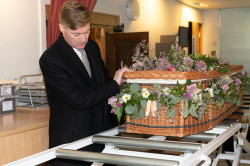
A civil funeral can be led by a funeral celebrant, a family member, or a close friend. There are no prescribed rituals, but the event should be conducted with dignity and respect. Many families choose to hold the ceremony in a funeral home or memorial chapel, where facilities for music, photos, and tributes are available. Others prefer an outdoor setting, such as a garden, park, or beach. If the ceremony is held outside a licensed venue, it is important to ensure that the location is suitable, accessible, and compliant with local ordinances regarding gatherings and noise.
Burial, Cremation, and Memorial Options
After the ceremony, the family must decide how and where to lay the deceased to rest. Common options include:
- Traditional Burial: Interment in a cemetery plot, with or without a headstone or marker.
- Cremation with Urn Placement: The urn may be placed in a columbarium niche, buried in a cemetery, or kept by the family.
- Ash Scattering: Over the ocean, in a forest, or another meaningful location, subject to legal requirements.
- Green or Natural Burial: An environmentally friendly option where the body is buried in a biodegradable container without embalming, often in a designated natural burial ground.
Costs and Financial Assistance
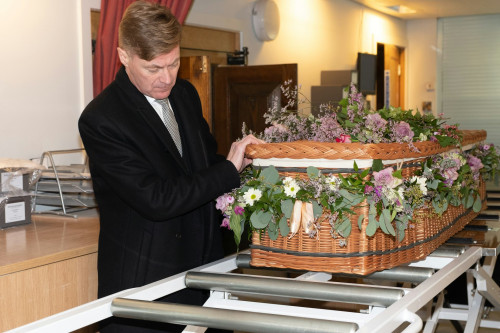
The cost of a civil funeral varies widely depending on location, services, and personal choices. Expenses may include the funeral director’s fee, casket or urn, transportation, venue rental, flowers, and printed materials. Families with limited means may qualify for Social Security death benefits, veterans’ burial benefits, or state and county assistance programs. Funeral directors can help identify available support and guide families through the necessary paperwork.
A Personal and Respectful Farewell
A civil funeral offers the freedom to create a farewell that truly reflects the life and values of the deceased. While it requires attention to legal details and permits, it also allows for deep personalization and creativity. Whether held in a chapel, a garden, or by the sea, the most important thing is that the ceremony provides a meaningful and respectful goodbye—one that honors the memory of the person and brings comfort to those left behind.
Læs også: