Uncovering the truth about housing: Why living small is the new luxury
Uncovering the truth about housing: Why living small is the new luxury
The Shift in Housing Trends
In recent years, the housing market has experienced a significant transformation. Many people are beginning to prioritize minimalism over the traditional notion of “bigger is better.” With rising housing costs and changing cultural attitudes, living small has emerged as a desirable alternative. This shift marks a departure from the McMansion era and highlights how luxury can be redefined in contemporary society.
Economic Factors Driving the Trend
One of the main catalysts for downsizing is the increasing cost of housing. Cities across the globe have seen property values skyrocket, making it challenging for individuals and families to afford spacious homes. As a result, smaller homes and apartments have gained popularity as a financially viable option. Living small not only reduces monthly mortgage payments but also lowers utility costs and maintenance expenses, making it an attractive choice for those seeking economic freedom.
Sustainability and Environmental Consciousness
The push for sustainable living has also played a crucial role in the rise of smaller homes. As awareness of climate change and environmental degradation grows, many individuals are seeking ways to minimize their carbon footprint. Smaller living spaces require fewer resources, reduce energy consumption, and often incorporate sustainable building materials. Embracing minimalism aligns with the ethos of living in harmony with the planet.
Increased Focus on Quality of Life
Living small often leads to simpler lifestyles, allowing individuals to focus on what truly matters. With fewer possessions, people can spend less time managing their belongings and more time nurturing relationships, pursuing hobbies, and experiencing life. The mental shift from material accumulation to prioritizing experiences has become a significant aspect of the new luxury. This change has encouraged a more profound appreciation for nature, community, and personal well-being.
Smart Design and Functionality
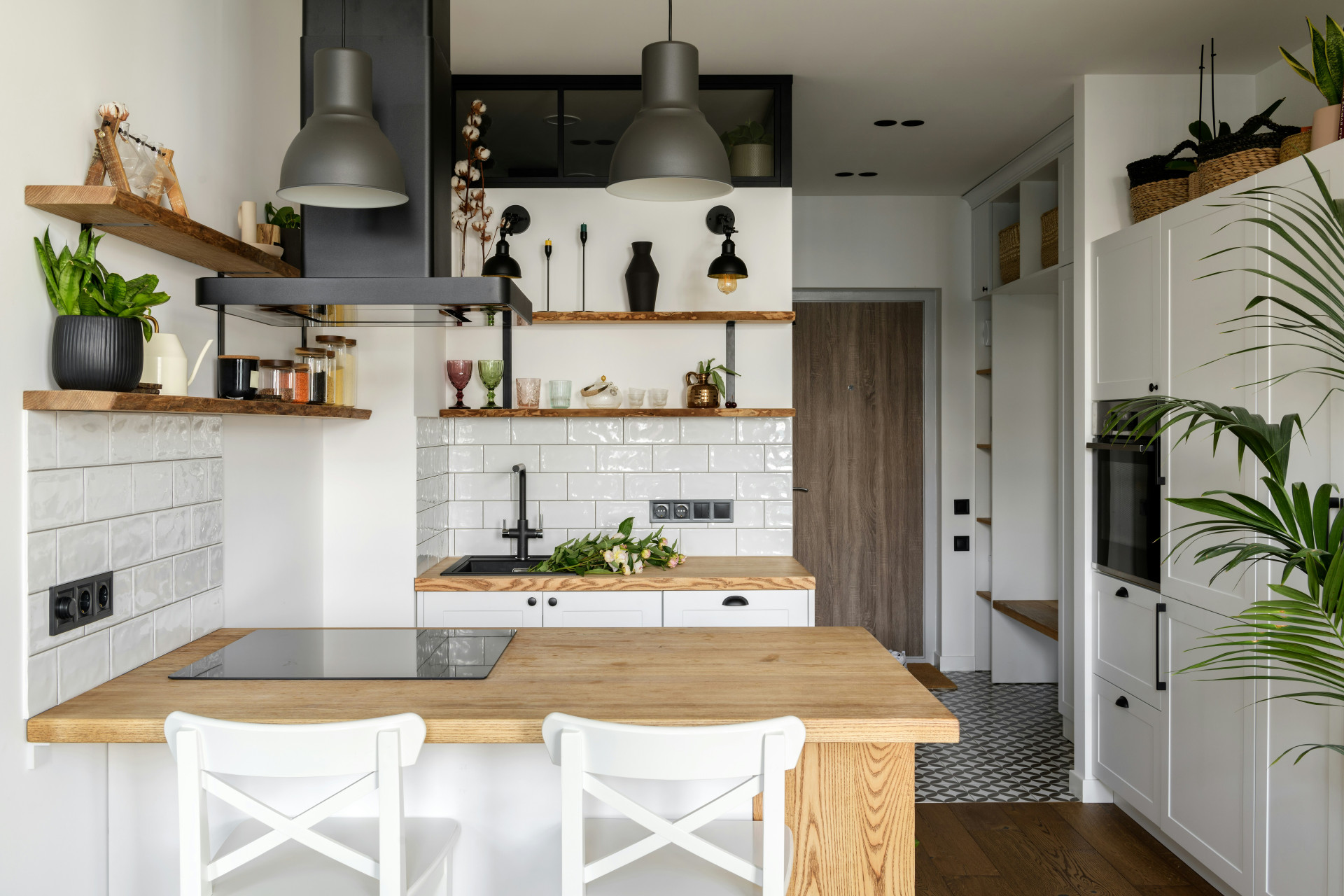
As demand for smaller living spaces rises, architects and designers are focusing on creating efficient and functional layouts. Innovations in design have made it possible to maximize every square foot without sacrificing comfort or style. Features like multifunctional furniture, open floor plans, and creative storage solutions allow homeowners to enjoy the benefits of smaller spaces while maintaining an aesthetically pleasing environment.
Embracing Community Living
Another appealing aspect of living small is the potential for fostering a sense of community. Many downsizers are opting for tiny home villages or co-housing arrangements, where several residents share shared amenities and space. This lifestyle promotes social interaction and encourages a supportive neighborhood environment. The move towards communal living aligns with a growing desire for connection and belonging in an increasingly isolated world.
Redefining Success and Happiness
Ultimately, the trend of living small challenges conventional definitions of success. Many individuals no longer equate luxury with opulent homes filled with unnecessary possessions. Instead, true wealth might be found in experiences, connections, and personal growth. The journey toward a more fulfilling life becomes the new aspiration for many, with smaller living spaces serving as a means to achieve that happiness.